The Air You're Breathing Right Now May Not Be as Clean as You Think |
Saharan dust, seasonal pollen, and record heat are combining to create a respiratory triple threat across the Caribbean, and knowing what you're up against is the first step to protecting yourself. |
If your eyes have been itching, your nose won't stop running, or you've had a nagging cough that just won't quit, you are not imagining things.
Right now, the broader Caribbean region, including areas like Puerto Morelos, is experiencing elevated levels of airborne irritants due to seasonal factors, and some residents may be affected more than others.
What's Actually in the Air
Three things are happening at the same time. Pollen levels are elevated during this part of the season. The extreme heat is stirring up fine dust and particulate matter.
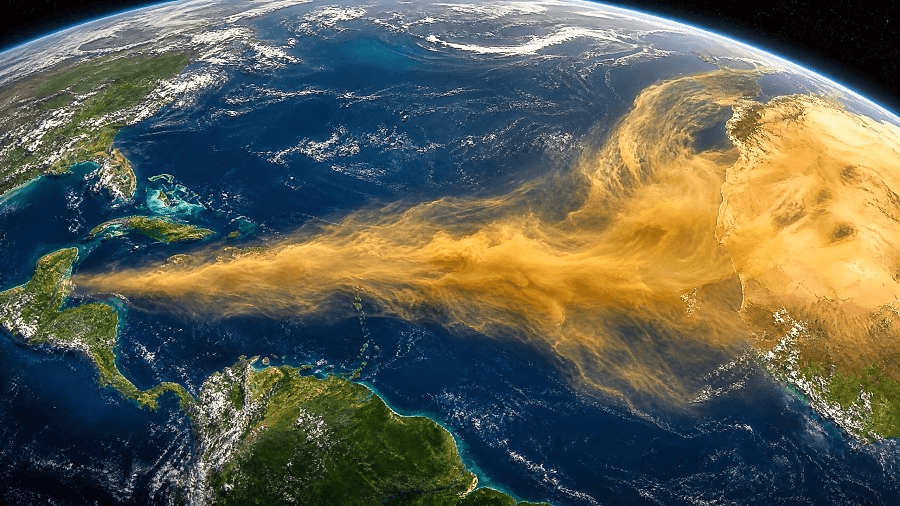
And the Saharan Air Layer, a recurring seasonal plume of dust that travels thousands of miles across the Atlantic from Africa's Sahara Desert, is currently affecting air quality across the Caribbean, including the Yucatán Peninsula.
Every year during the summer months, a massive plume of dust originating from the Sahara Desert travels thousands of miles across the Atlantic.
According to NOAA, Saharan Air Layer activity usually ramps up in mid-June, peaks from late June to mid-August, and begins to rapidly subside after mid-August. As of late June, we are entering the peak period of this seasonal phenomenon.
Who Feels It the Most
Not everyone reacts the same way. When inhaled, these particles embed in the sinuses and lungs, triggering the body to produce excess mucus and inflammation. People with asthma, chronic allergies, or other respiratory conditions are most at risk.
Even healthy individuals may suffer from headaches, throat irritation, burning eyes, fatigue, and allergic reactions. Children and older adults are also considered a vulnerable group. If you have been feeling run down or foggy lately, the air quality may be part of the reason.
What You Can Do About It
The good news is that there are practical steps you can take right now.
Stay indoors during peak hours. Health officials in Quintana Roo recommend avoiding outdoor activities when particle concentrations are highest, typically during the hottest part of the day.
Set your A/C to recirculate. Air conditioning should be set to recirculate to avoid exposure to outside air. If you must leave your house, close car windows and vents when driving through high dust areas.
Drink more water. Drinking plenty of water helps maintain healthy mucous membranes. In the heat of a Puerto Morelos summer, most people are already slightly dehydrated, which makes the irritation worse.
Keep windows and doors closed during dusty periods, especially in the early afternoon when winds pick up along the coast.
When to See a Doctor
Most symptoms from Saharan dust are temporary and will ease as the dust cloud passes. Saharan dust plumes can persist over affected regions for several days, depending on wind patterns and weather conditions.
However, the duration of exposure in a specific location varies and is not fixed. If you develop shortness of breath, chest tightness, or symptoms that get significantly worse, do not wait it out. Seek medical attention at the Centro de Salud or a local clinic.
This is a seasonal reality of living on the Caribbean coast. Knowing what it is and how to protect yourself makes all the difference. |